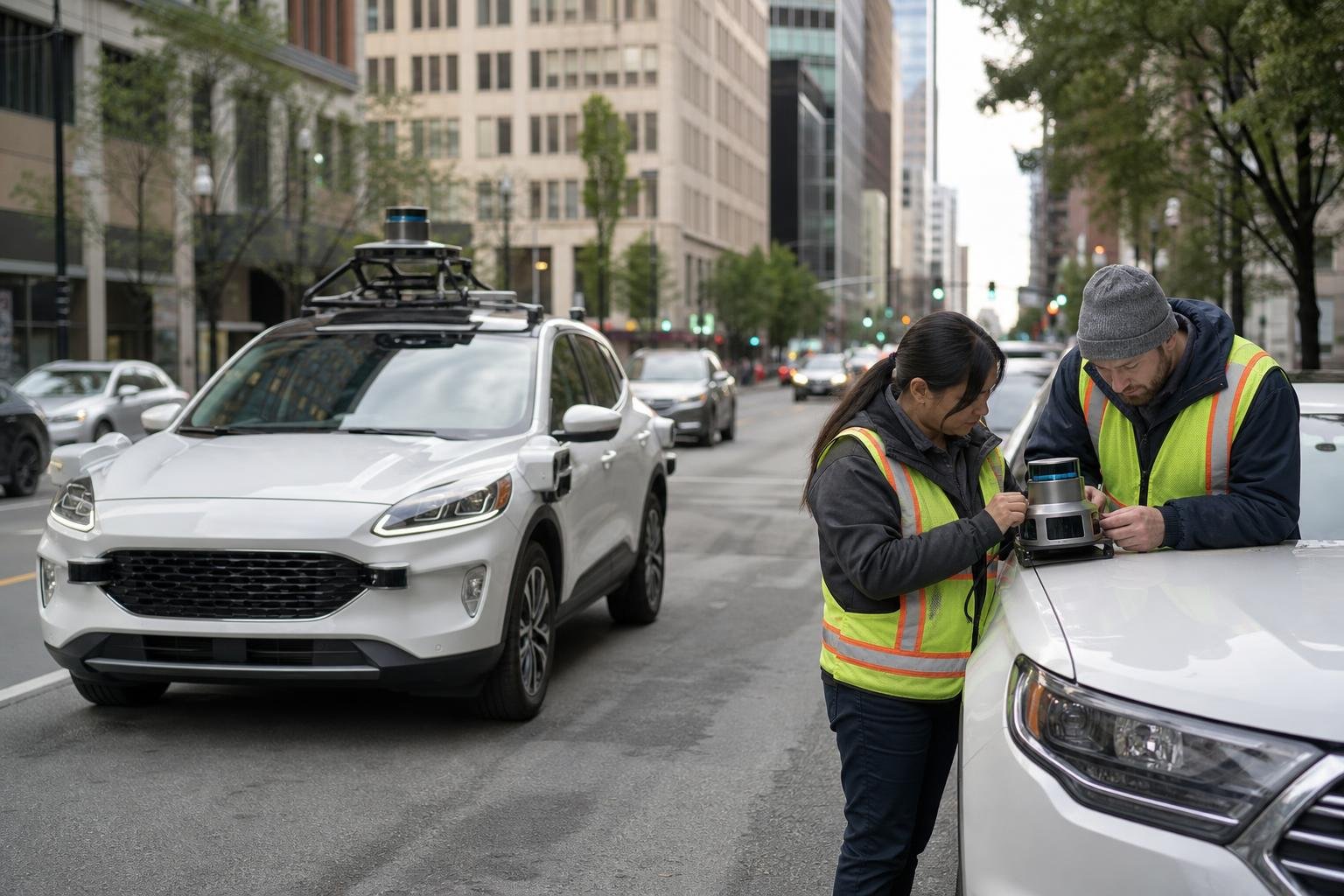
British autonomous-driving company Wayve is pursuing a commercial strategy built around licensing its driving software to automakers and fleet operators, rather than financing and operating a large robotaxi network of its own. The approach is intended to take the company from autonomous-driving research into deployment while avoiding the substantial capital, operations and local-market commitments required to run a passenger service.[1]
The decision matters beyond one company. It is a test of whether autonomous driving can become a broadly deployable software and systems component—sold through vehicle manufacturers and established fleet owners—rather than a business that requires each developer to become a transportation operator. Licensing can reduce some of the burdens that have slowed robotaxi expansion, but it does not remove the difficult work of proving safety, integrating vehicles and allocating responsibility when systems fail.
A Different Route to Commercial Autonomous Driving
Robotaxi developers have often pursued a vertically integrated model: develop the automated-driving stack, procure or modify vehicles, establish depots and charging operations, map and validate service areas, secure approvals, remotely support vehicles and operate a consumer-facing ride service. That structure gives an operator considerable control over the end-to-end experience, but it also makes expansion costly and operationally complex.
Wayve’s proposed licensing model places more of those commercial responsibilities with companies that already manufacture, sell, service or operate vehicles. An automaker could incorporate Wayve’s software into a vehicle program; a fleet operator could use the technology in vehicles it owns and manages. Wayve, in turn, would seek to supply the autonomous-driving intelligence rather than build a broad passenger-transport business around it.[1]
That distinction is consequential. A vehicle manufacturer already has production engineering, dealership or service networks, supplier relationships and regulatory processes. A commercial fleet already understands vehicle utilization, maintenance, insurance, dispatch and customer operations. Licensing aims to use those existing channels instead of duplicating them city by city.
Why Licensing Is Attractive
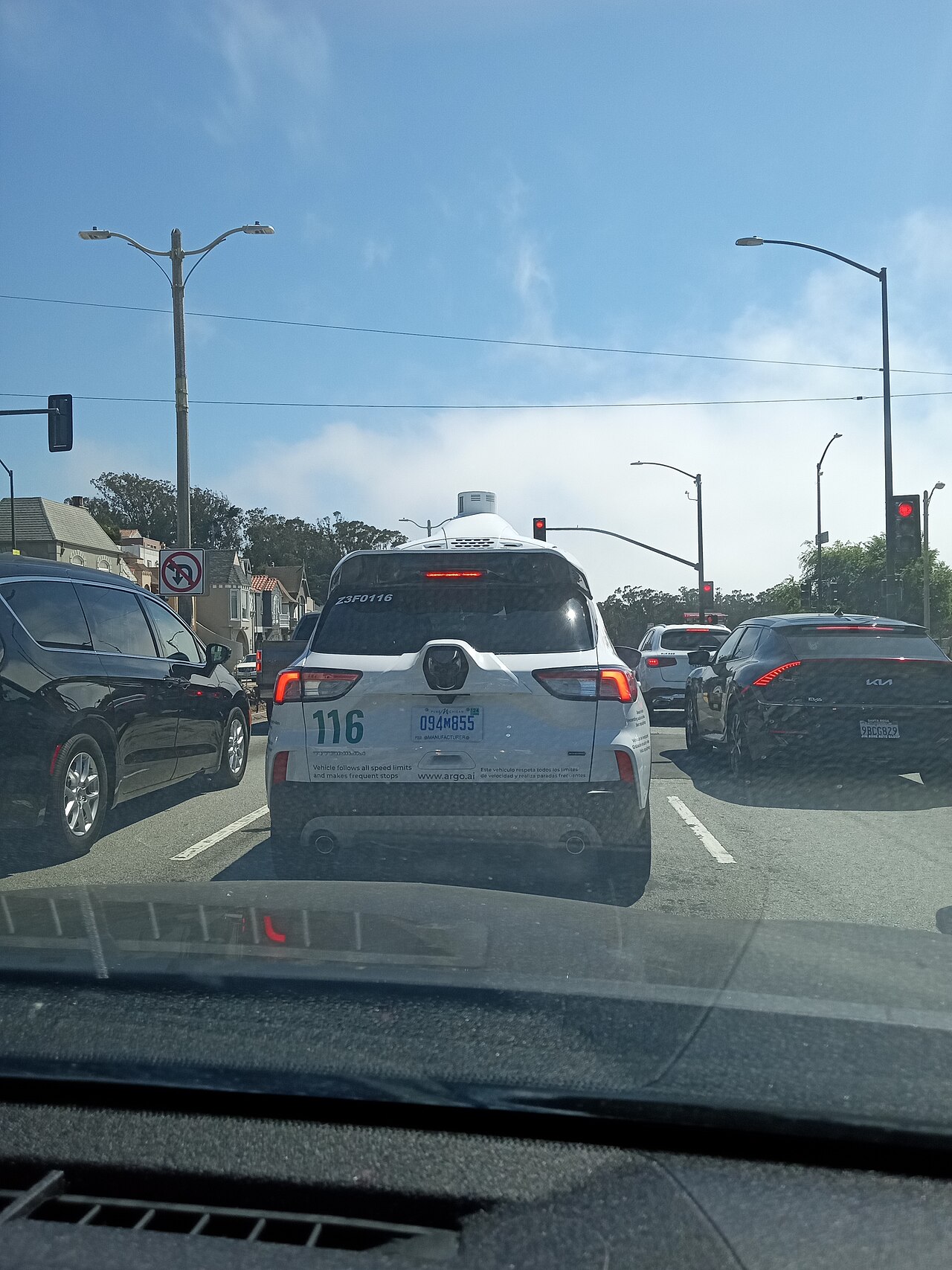
The most immediate advantage is capital efficiency. Operating a robotaxi service entails far more than developing driving software. Vehicles must be acquired and equipped; facilities must be opened; staff must support cleaning, repairs and charging; and operations teams must manage incidents, customer support and changing local rules. Those costs rise as a service enters additional markets.
A licensing business can potentially spread software-development costs over a larger number of vehicles without requiring the software developer to own every vehicle or directly operate every trip. It may also align better with automakers’ business models. Manufacturers have long purchased critical systems from specialist suppliers while retaining responsibility for vehicle production, distribution and branding. A successful autonomous-driving supplier could fit into that structure, albeit with much higher safety and systems-integration stakes than a conventional component provider.
The model also offers a potential route around the geographic fragmentation of robotaxi operations. Cities and countries differ in road design, weather, traffic behavior, insurance rules, emergency-response expectations and approval processes. Local operators and manufacturers may be better positioned to address these differences than a single autonomous-vehicle company trying to establish a direct presence everywhere.
For customers, the promise is practical rather than abstract: autonomous capability could appear in vehicles and fleet services already familiar to them, instead of being confined to a small set of robotaxi service areas. Whether that happens depends on the capability delivered, the operating conditions permitted and the willingness of manufacturers to take the technology into production.
Software Is Not a Shortcut Around Safety
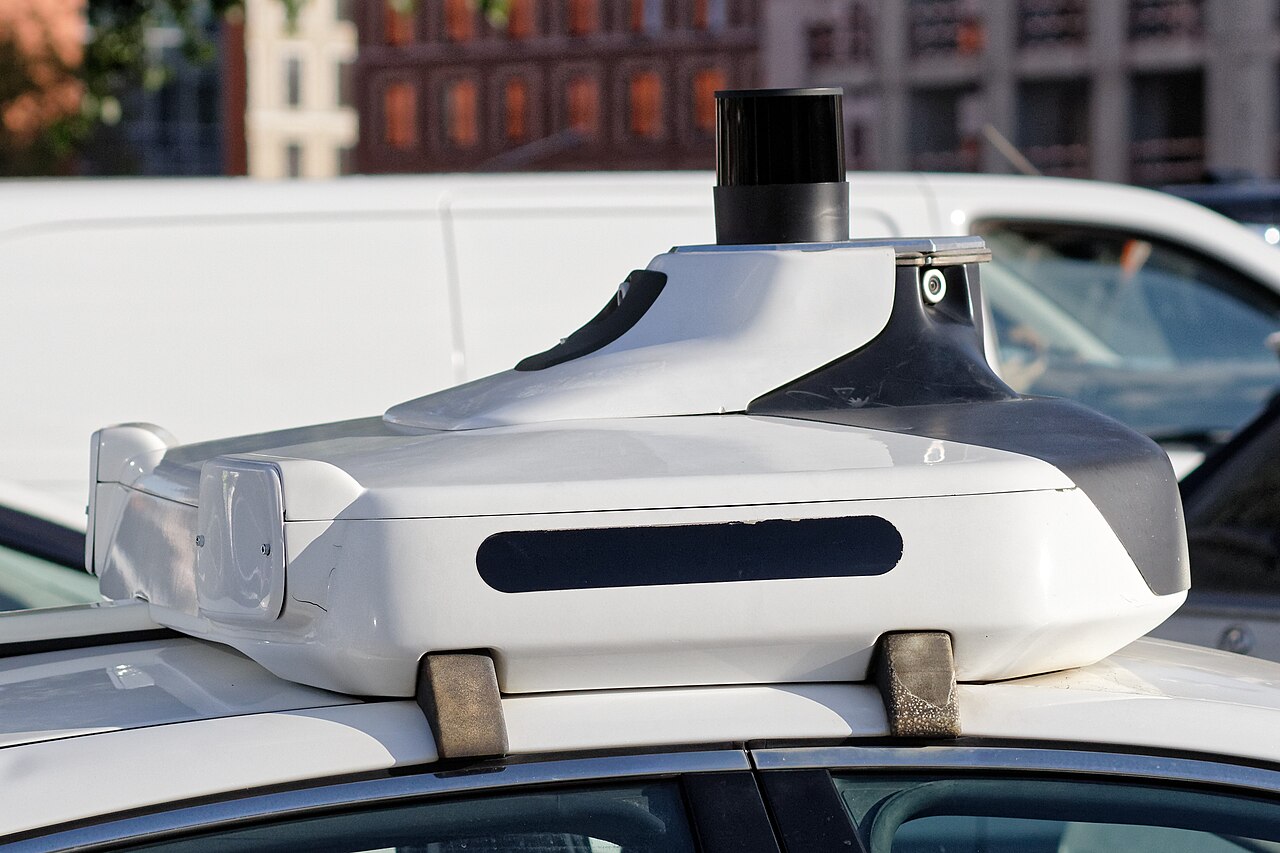
Licensing changes the distribution model; it does not make autonomous driving a simple downloadable feature. A production system must work with a specific vehicle’s steering, braking, acceleration, sensor suite, compute hardware, power systems and diagnostic interfaces. It must also behave predictably when sensors degrade, when road conditions depart from expectations or when another road user acts unexpectedly.
That creates a demanding integration process. The vehicle maker and software provider must define the operational design domain: the conditions in which the system is intended to operate, including road types, weather, speed ranges and geographic areas. They must establish fallback behavior, driver or remote-support expectations where applicable, cybersecurity controls, software-update procedures and methods for collecting and analyzing safety evidence.
Validation is especially important because autonomous-driving performance cannot be established by a single demonstration or a generalized claim that an AI model “understands” driving. The relevant question is whether the complete system performs safely and consistently in its approved operating conditions, including rare but consequential edge cases. Manufacturers and fleet customers will need evidence that supports their own safety, regulatory and product-liability decisions.
Fleet deployment presents an additional challenge. Commercial operators will care not only about whether a system can drive, but whether it can maintain useful uptime. Hardware faults, software updates, minor collisions, cleaning, charging, roadwork and handoffs to human staff all affect the economics of a real fleet. Licensing can shift some operating responsibility to the customer, but poor operational performance would still damage the technology provider’s reputation and future sales prospects.
Liability and Control Become Central Negotiations
The licensing model puts liability and control at the center of the commercial relationship. If an automated vehicle is involved in a crash, the questions may include whether the driving software behaved as designed, whether the vehicle platform performed correctly, whether the system was used inside its approved conditions and whether a fleet operator maintained it properly.
Those questions are not unique to Wayve, but they become more pronounced when autonomous-driving technology is supplied across multiple vehicle brands and operating models. Contracts will need to define responsibilities for software updates, monitoring, maintenance, incident reporting, data access and recalls or service campaigns. Insurers, regulators and vehicle buyers will also want a clear account of who is accountable for a system’s behavior.
There is a strategic trade-off here. Direct robotaxi operation gives a developer tighter control over the vehicles, routes and daily operating environment. Licensing can expand reach, but it requires Wayve to persuade partners to implement its system consistently and to preserve the safety controls on which its performance depends. The company must build a product that partners can integrate, support and explain—not merely a research system that works under company-managed conditions.
What the Strategy Means for the Market
Wayve’s direction highlights a wider divide in autonomous driving. One camp sees the eventual business as a transportation service, with the developer operating robotaxi fleets and capturing ride revenue. Another sees autonomous driving as a technology layer that can be sold to the companies that already make and operate vehicles. In practice, the market may support both models, with the appropriate choice depending on vehicle type, geography and the maturity of the technology.
A licensing approach could be particularly appealing to automakers seeking differentiated driver-assistance or automated-driving capabilities without building a full autonomy organization themselves. It could also appeal to fleet operators that want to automate defined commercial tasks while retaining control of dispatch, vehicles and customer relationships.
But the strategy will be judged on production commitments, not positioning alone. The key milestones are likely to be named vehicle or fleet partners, a clearly defined initial use case, evidence of robust integration, the scope of permitted operation and sustained performance after deployment. A broad licensing ambition will remain unproven until it becomes repeatable across actual programs.
For Wayve, that means competing on more than the quality of its AI. It must offer an integration path, a safety case, commercial terms and long-term support that make adoption less risky for manufacturers and operators. The company’s shift therefore reflects both a potentially scalable opportunity and a recognition that autonomous driving becomes harder, not easier, when it moves from a controlled demonstration to a product other organizations must depend on.[1]
Editor’s Take
I think licensing is the more commercially disciplined bet for Wayve. Owning a robotaxi fleet can demonstrate a system, but it also turns an AI company into a vehicle financier, depot operator, local regulator negotiator and customer-service business. Automakers and established fleets already possess much of that machinery. If Wayve can supply software that integrates cleanly into their products, the company can concentrate capital and engineering effort on the part it claims to do best.
The important caveat is that autonomy does not become easy just because it is sold as software. I will be watching for the first production-grade integration, the exact operating conditions, and who accepts responsibility for system performance. Those details—not a licensing announcement by itself—will show whether this model can scale beyond a persuasive business narrative.