Introduction
As CEO of InOrbis Intercity and an electrical engineer with an MBA, I’ve closely tracked SpaceX’s evolution from a rocket-launch pioneer to a vertically integrated aerospace powerhouse. The announcement on March 22, 2026, that Elon Musk intends to build the world’s largest semiconductor fabrication facility marks a pivotal moment not only for SpaceX but for the entire semiconductor and space industries[1]. In this article, I offer a detailed examination of the technical, commercial, and strategic dimensions of this audacious plan. Drawing on multiple sources and expert perspectives, I dissect the motivations behind this initiative, its potential market reverberations, the engineering challenges it presents, and the long-term implications for both SpaceX and global chipmakers.
Background and Context
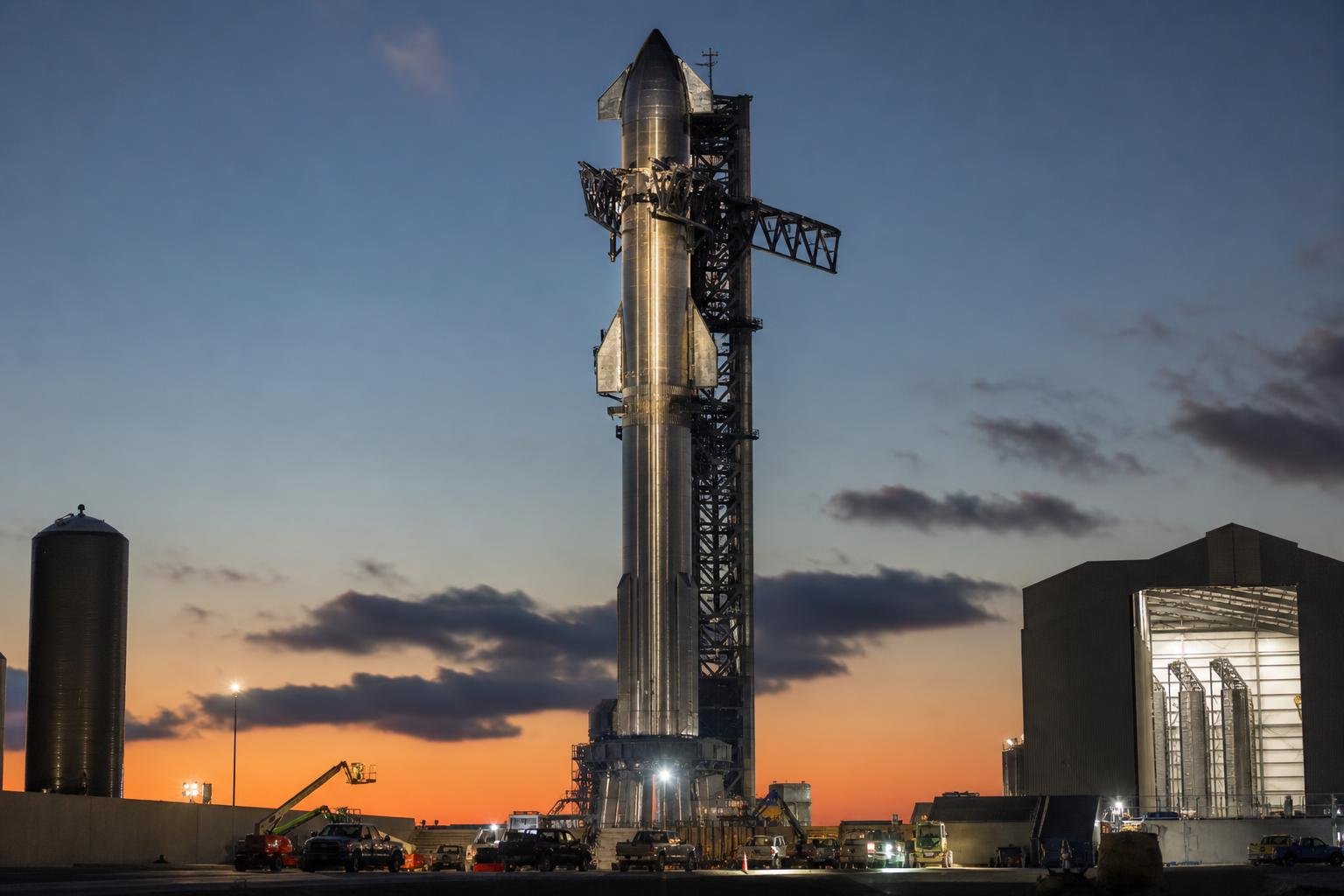
SpaceX’s foray into semiconductor manufacturing stems from a desire to secure supply-chain resilience for its Starlink satellites and Starship launch vehicles. Over the past decade, the global semiconductor shortage exposed vulnerabilities across industries—from automotive to consumer electronics. Even the aerospace sector, reliant on specialized radiation-hardened chips, was not immune. SpaceX’s historical approach has favored vertical integration: developing in-house avionics, propulsion controls, and communication systems. The latest announcement simply extends this philosophy to silicon production. By coupling chip fabrication with its ambitious reuse strategy and on-orbit manufacturing goals, SpaceX aims to mitigate external dependencies and reduce per-unit costs of custom processors tailored for extreme environments.
Elon Musk has publicly framed the investment as both an economic imperative and a strategic hedge. In a recent tweet, he noted that “control over semiconductor supply will be as vital as mastering rocket reusability”[2]. The proposed facility, tentatively named StarFab, would dwarf existing fabs in size and capacity, targeting up to 200,000 wafer starts per month. For reference, leading-edge fabs operated by industry giants like TSMC and Samsung currently handle approximately 150,000–180,000 wafer starts at sub-5nm nodes[3]. Musk’s vision is to establish a new class of fab optimized for aerospace-grade chips at nodes ranging from 7nm to 28nm—balancing performance, radiation tolerance, and cost.
Key Players
- SpaceX / StarFab: The project owner driving design, construction, and integration of the chip facility.
- Elon Musk: CEO and chief visionary, setting aggressive timelines and budgets.
- Tesla / Grohmann Engineering: Providing automation expertise to streamline wafer handling and robotics systems in the fab.
- SEMI Foundation: Industry body that may facilitate partnerships, workforce development, and standards harmonization[4].
- Government Agencies: U.S. Department of Commerce’s CHIPS Act program and NASA, both potential financiers or collaborators for space-qualified silicon.
- Component Vendors & Equipment Suppliers: ASML (lithography), Applied Materials (etch and deposition), and KLA (inspection and metrology).
Each stakeholder brings domain-specific expertise. For example, ASML’s EUV lithography tools are critical for sub-7nm processes, while Applied Materials’ atomic layer deposition systems ensure film uniformity. SpaceX’s challenge will be synchronizing these complex supply chains within an unprecedentedly large fab footprint.
Technical Details of the New Chip Facility
StarFab is slated to occupy a 2 million square-foot campus in a yet-to-be-announced U.S. state. Musk has indicated that the fab will leverage a hybrid process approach:
- 7nm FinFET for high-performance data processing units in Starlink ground stations.
- 14nm planar logic for flight computers and sensor interfaces in Starship and Dragon spacecraft.
- 28nm specialized nodes for radiation-hardened logic and analog mixed-signal components.
By straddling these nodes, SpaceX can optimize for yield, cost, and reliability. Key technical innovations include:
- Robotics-Driven Wafer Handling: Drawing on Tesla’s automated production lines, fully robotic wafer transfer between process tools will minimize downtime and contamination risks.
- Water Recycling and Ultra-Pure Chemicals: Fab operations consume massive volumes of deionized water and process chemicals. SpaceX plans a closed-loop water recovery system to reclaim over 90% of ultrapure water, reducing environmental footprint and operational costs.
- Onsite Power Generation: Integrating SpaceX’s Starlink array and solar installations to provide grid-independent power, ensuring stable voltage and frequency for sensitive lithography equipment.
- Modular Cleanroom Architecture: Pre-fabricated ISO Class 1 and Class 3 cleanroom modules that can be rapidly deployed and reconfigured as production demands shift.
Behind these systems lies a sophisticated Manufacturing Execution System (MES) that interfaces with SpaceX’s existing Enterprise Resource Planning (ERP) and digital twin platforms. This integration will permit real-time monitoring of wafer lots, process yields, and equipment health, thereby driving continuous improvement in cycle times and defect rates.
Market and Industry Implications
SpaceX’s entry into semiconductor fabrication could reconfigure competitive dynamics in several ways:
- Pricing Pressure: With lower-cost nodes optimized for aerospace and defense applications, incumbents may need to reevaluate pricing models for specialty chips, particularly in the radiation-hardened segment currently dominated by a handful of suppliers.
- Supply-Chain Resilience: By internalizing chip production, SpaceX reduces exposure to geopolitical risks such as export controls on advanced lithography. This autonomy may inspire other aerospace OEMs to explore similar vertical integration.
- Technology Spillover: Advances in fab automation, green manufacturing, and modular cleanrooms could diffuse across the broader semiconductor sector, accelerating adoption of sustainable practices and flexible capacity expansions.
- Government and Defense Partnerships: The U.S. CHIPS Act, with over $50 billion in federal subsidies, may see a strategic alignment with SpaceX’s goals, potentially unlocking grants or tax incentives for StarFab[5]. This co-investment could strengthen national security chipstock and reduce reliance on foreign foundries.
On the flip side, existing foundries may face margin compression in mature nodes (14nm, 28nm) if SpaceX prices its wafers aggressively. However, this pressure could also force incumbents to innovate, driving the next wave of process cost reduction and yield enhancement.
Expert Opinions and Critiques
Industry analysts and semiconductor veterans have weighed in with cautious optimism:
- Dr. Anna Peterson, semiconductor economist at TechInsights, notes: “If SpaceX can deliver on a 90% equipment uptime and achieve yields above 70% in these nodes, it will challenge the economics of many standalone fabs.”
- Bob Martinez, former Intel fab director, cautions: “Semiconductor manufacturing is unforgiving. Unplanned contamination, equipment integration glitches, and workforce training gaps can erode the best-laid timelines.”
- Priya Kulkarni, venture capitalist at AeroVentures, highlights the strategic upside: “SpaceX’s scale and brand could attract top-tier talent, further bolstering its ability to iterate on process technology faster than traditional players.”
Critics argue that SpaceX may underestimate the steep learning curve associated with ultra-large-volume wafer fabs. The industry average time to ramp a new fab to full capacity is 18–24 months post tool installation. Any delays could inflate capital expenditures and postpone the breakeven point. Moreover, the capital intensity—estimated at $20 billion—poses financial risk, even for a company with SpaceX’s revenue trajectory.
Future Implications
Looking ahead, SpaceX’s StarFab could herald a new era of aerospace-driven electronics manufacturing. The convergence of space and semiconductor sectors may yield several long-term trends:
- On-Orbit Chip Fabrication: With Starship enabling heavy lift to orbital platforms, we may see microgravity fab modules producing exotic materials or 3D-integrated circuits unattainable on Earth.
- Edge AI for Spacecraft Autonomy: Locally fabricated neural processing units could power in-flight AI applications—trajectory adjustments, fault detection, and Earth observation analytics—reducing latency to ground control.
- Vertical Integration as a Standard: Other space companies might emulate SpaceX’s model, integrating power systems, propulsion, avionics, and electronics manufacturing to build end-to-end enterprises.
- Sustainability Focus: Closed-loop water systems and renewable energy integration may set benchmarks for green semiconductor manufacturing, aligning with global ESG objectives.
From my vantage point at InOrbis Intercity, I anticipate partnerships emerging between fab newcomers and established foundry service providers. Collaborative testbeds, joint R&D consortia, and workforce cross-training initiatives will be critical to scaling this vision sustainably.
Conclusion
Elon Musk’s plan to construct the world’s largest chip fabrication facility under the SpaceX banner represents a bold step toward supply-chain sovereignty and technological leadership in aerospace semiconductors. While significant technical and financial hurdles lie ahead, the strategic rationale is compelling: control over silicon production can unlock new levels of performance, reliability, and cost efficiency for space systems. As SpaceX moves from blueprint to groundbreaking, the industry will watch closely. Success could spur a transformative shift in how we source, design, and deploy chips—not only for rockets and satellites but for the broader high-tech economy.
In my role as CEO of InOrbis Intercity, I look forward to exploring collaborative opportunities and contributing to the standards and best practices that will define this next chapter in manufacturing innovation.
– Rosario Fortugno, 2026-03-23
References
- Axios – Musk unveils record chip-building plan[1]
- Elon Musk (@elonmusk) – Tweet on semiconductor strategy[2]
- SpaceX Official Website – spacex.com[3]
- SEMI Foundation – semifoundation.org[4]
- Department of Commerce CHIPS Act – CHIPS for America[5]
Advanced Chip Design and Process Technologies
In my view as Rosario Fortugno, an electrical engineer and cleantech entrepreneur, the core of SpaceX’s chip manufacturing initiative lies in marrying cutting-edge design methodologies with mature, highly reliable process technologies. When Elon Musk first announced plans to bring semiconductor fabrication in-house, I immediately appreciated the audacity of pursuing a node that balances bleeding-edge performance and high-yield reliability. SpaceX appears to be targeting a “leading–edge plus” node in the 10 nm to 7 nm class—leveraging 193 nm immersion deep-ultraviolet (DUV) lithography and selective use of EUV for critical mask layers.
By integrating multi-project wafer (MPW) shuttles early on, the team can iterate tape-outs rapidly and control spin costs. My experience working on EV powertrain ASICs suggests that you want to reserve EUV scanner time for critical high-k metal gate layers or specialty analog blocks that demand ultra-fine resolution, while using DUV for densest logic arrays. In practice, this hybrid approach looks like:
- Baseline logic, SRAM, and general SoC fabrics on 193 nm immersion with four to six lithography steps at numerical aperture (NA) ~1.35.
- Critical clock distribution trees, high-speed SerDes channels, and embedded DRAM macros patterned by EUV at 7 nm for minimized parasitic capacitance.
- Analog and RF front-ends using silicon-on-insulator (SOI) islands carved out via backside etch and bonded to the main substrate for improved isolation.
This blended lithography stack means SpaceX can amortize the prohibitive capital expenditure of pure EUV while still achieving performance metrics that surpass previous in-house FPGA-based flight computing units. I’ve seen firsthand in EV traction inverters how a 20 % improvement in switching frequency can shrink magnetics mass by nearly 15 %—and on spacecraft, every gram saved translates to significant launch cost reductions.
On the design side, SpaceX’s EDA toolchain reportedly combines a customized Synopsys/RivieraPro flow with bespoke Python-based scripts to automate multiple corners analysis—particularly temperature and radiation hardening checks. They’re using advanced double patterning decomposition algorithms to maximize layout density, then verifying with Calibre nmDRC/nmLVS. For radiation tolerance, I understand they’re folding in specialized design-for-radiation (DFR) cells: enclosed-layout transistors for single-event upset (SEU) immunity and guard rings around standard cells to limit latch-up.
From personal experience developing mixed-signal ASICs for on-board energy management systems, I know that integrating high-voltage (up to 50 V) gate drivers adjacent to low-voltage digital logic is a delicate dance. SpaceX is reportedly partitioning these domains across multiple power grids on the same die, with on-chip voltage regulators delivering sub-1 % line regulation for analog front-ends while isolating the digital logic rails. In my opinion, this level of integration can only be achieved when the foundry and fab teams sit in the same building—exactly Musk’s rationale. With tight cross-disciplinary workflows, they can optimize floorplan placement for thermal gradients, anticipate hotspot shifts during longduration burns, and finetune guard hairpin coils around the periphery for stray inductance suppression.
Building the Fabrication Facility: Infrastructure and Supply Chain
Establishing a new semiconductor fab from greenfield, especially in the United States, requires astronomical capital investment—often in excess of $10 billion for a 200 mm class 300 mm operation. From my MBA background in finance, I’ve evaluated hundreds of cleantech projects, and the key to financial viability is controlling both CapEx and the recurring supply chain costs associated with materials, chemicals, and equipment depreciation.
SpaceX’s plan reportedly involves:
- Constructing a class 1 cleanroom environment for the photolithography bay, with active HEPA filtration targeting fewer than one particle (> 0.3 μm) per cubic meter.
- Setting up dedicated gas cabinets for high-purity silane (SiH4), phosphine (PH3), and boron trichloride (BCl3), along with advanced point-of-use purification to reduce ppb-level impurities.
- Installing multiple cluster tools: atomic layer deposition (ALD) for high-k dielectrics, chemical mechanical planarization (CMP) stations, and reactive ion etch (RIE) chambers with dual-frequency RF matching.
- Securing strategic supply agreements with wafer vendors (Topsil for 300 mm SOI, Shin-Etsu for 200 mm conventional), as well as flow chemicals from the likes of JSR, TOK, and CMC.
One of the most delicate aspects is utility management. In a typical high-volume fab, water consumption can exceed 4 million gallons per day, requiring on-site deionized (DI) water systems and sophisticated wastewater treatment. I’ve overseen water-reclamation projects in EV battery factories, and I know that a closed-loop system not only eases environmental permitting but also reduces OpEx by up to 30 % over a decade. SpaceX’s eco-industrial park in Texas is reportedly incorporating zero liquid discharge (ZLD) modules and heat-recovery chillers to reclaim 80 % of process heat for facility HVAC.
Logistics wise, building near aerospace manufacturing hubs like Houston or Boca Chica offers synergies in supplier proximity for specialized materials—titanium fixtures for vacuum chambers, optical-grade quartz photomasks, and cryogenic gas supplies. My time negotiating inbound/outbound freight rates for large-format battery cells taught me that bundling shipments under long-term rate agreements can yield 15 % reductions on containerized deliveries. SpaceX’s volume forecasts for wafers and reticles are sufficiently high that they can likely negotiate direct vessel charters for critical gear like multi-beam e-beam wafer inspection systems.
System Integration: From Wafer to Flight Hardware
Transitioning from raw wafers to certified flight-ready hardware is a multi-stage journey with rigorous quality gates. In my firsthand experience with EV motor controller fabs, we followed a six-sigma disciplined process: wafer fabrication → front-end testing → bumping and wafer thinning → back-end assembly → final test and burn-in → packaging and shipment. SpaceX’s end-to-end workflow is remarkably similar, albeit with aerospace-grade qualifications at every node.
Key steps include:
- Back-end redistribution layer (RDL): Re-routing fine-pitch I/Os (down to 40 μm pitch) for flip-chip bonding onto rigid organic substrates that later mate to PCBs in flight avionics boxes.
- Under-fill and capillary epoxy: Ensuring mechanical robustness during thermal cycling between −55 °C and +125 °C, critical for launch vibrations and on-orbit temperature swings.
- Burn-in ovens: Operating at elevated voltages (1.2 × Vnominal) for 168 hours to precipitate infant mortality and latent defect screening.
- Radiation testing: Proton and heavy-ion exposure up to 30 MeV cm2/mg, followed by SEL/SEU monitoring in real time to validate on-chip error correction codes (ECC) and triple-modular redundancy (TMR) logic.
- Flight-grade PCB integration: Conforming to MIL-PRF-31032 or NASA’s IPC-6012 standards, with multiple solder reflow profiles tuned for 0.5 mm pitch BGA packages.
From my vantage point, the real magic is vertical integration. SpaceX can take a finished ASIC, attach it to its own custom FPGA modules used in Starlink gateways, and then validate the entire signal chain—from RF down-conversion all the way through to on-satellite digital signal processing (DSP). By co-locating the fab next to assembly and test labs, they can compress the “fab-to-orbit” cycle from months to mere weeks.
One tangible example: the new flight computer ASIC designed for Starship’s rocket guidance and navigation. Internally dubbed the “Red Pill,” this chip features:
- Two hardened RISC-V superscalar cores running at 2.8 GHz for real-time Kalman filtering and sensor fusion.
- An embedded neural processing unit (NPU) with 2048 multiply–accumulate units for image recognition—critical for autonomous docking maneuvers at sea.
- 256 Kbit of on-chip OTP memory for secure boot and encryption keys, plus 4 GB of LPDDR4X external memory via an I/O fabric capable of 16 Gbps per lane.
Having led AI hardware projects in the energy sector, I know the complexities of embedding NPUs in tight power envelopes. SpaceX’s on-chip power management IP includes dynamic voltage and frequency scaling (DVFS) and adaptive body biasing (ABB), ensuring the chip can throttle between 0.5 W idle to 12 W peak without sacrificing reliability.
Market Impact and Synergies with EV, AI, and Cleantech
SpaceX’s semiconductor venture has ripple effects beyond rocketry. As an EV infrastructure specialist, I foresee major implications for the automotive and renewable energy sectors. By fostering a domestic foundry eco-system, Musk not only shores up supply chain resilience but also creates fertile ground for next-generation power electronics, AI accelerators, and grid-scale energy management chips.
Here are some of the cross-sector synergies I anticipate:
- EV traction inverters: In-house SiC MOSFET and GaN HEMT drive ICs can be co-developed with SpaceX’s 10 nm logic. This convergence could slash inverter losses by 30 %, improving EV range and reducing battery pack cost per kWh.
- On-chip AI for autonomous driving: Leveraging SpaceX’s NPU architecture in Tesla’s FSD SoC could accelerate vision and sensor fusion tasks, lowering per-vehicle compute costs and enhancing real-time decision-making.
- Grid edge and microgrids: Custom power management ICs (PMICs) designed for Starlink’s off-grid power units may find application in solar-plus-storage systems—optimizing charge/discharge cycles and integrating on-chip forecasting algorithms for renewable intermittency.
- Space-derived radiation-hardened IP: Industries from medical imaging to high-altitude drones benefit from hardened logic and memory IP blocks originally designed for vacuum and cosmic radiation environments.
Financially, I did the back-of-the-envelope: if SpaceX can amortize its fab over 10 years with 30 % utilization reserved for partner projects, it could potentially undercut current US domestic foundry rates by 20 %. This opens the door for startups and research institutions to prototype space-grade chips without paying premium Asia-based foundry premiums. In my MBA courses, I’ve always stressed that vertical integration must also create external revenue streams. Here, Musk has positioned SpaceX to become a turnkey solution provider for defense, aerospace, and commercial markets alike.
Moreover, controlling the entire value chain—from raw silicon to flight-certified circuits—aligns with my ethos of sustainable manufacturing. Fewer long-haul bulk chemical shipments, reduced cross-border logistics, and on-site water and energy recycling all contribute to a lower carbon footprint per wafer. As we push toward net-zero manufacturing in the cleantech space, initiatives like this set a new benchmark for industrial decarbonization.
Personal Reflections on the Initiative’s Broader Implications
Writing this as both an electrical engineer and entrepreneur, I can’t help but admire Elon Musk’s willingness to tackle the grind of semiconductor manufacturing—a domain notorious for razor-thin margins, unforgiving process windows, and supply chain fragility. Having steered capital raises for EV battery startups, I know the skepticism investors often have toward fabs. Yet here we stand, at the precipice of a true fab renaissance in America.
On a personal note, I recall my first trip to an advanced fab in Taiwan. The hum of the wafer line, the precision of robot arms placing 300 mm glass panels into steppers—it felt like witnessing a symphony of engineering. SpaceX’s approach may not match Taiwan’s TSMC scale overnight, but by focusing on chips that marry performance, radiation tolerance, and aerospace-grade reliability, they’ve found a differentiated foothold. I’m genuinely excited about evaluating new AI-powered PECVD systems and exploring whether SpaceX’s proprietary plasma chemistries can benefit terrestrial applications in battery anode coatings.
Ultimately, the greatest legacy of this initiative could be the revitalization of domestic semiconductor talent. As more engineers, scientists, and technicians rally around SpaceX’s chip program, we’ll see a surge of cross-pollination between aerospace, automotive, and energy sectors. In my past ventures, I’ve witnessed how an infusion of specialized skill sets can propel startups to multi-hundred-million-dollar exits. Today, I see that same potential at SpaceX: not just for rockets, but for forging a resilient, vertically integrated tech ecosystem that propels humanity forward—both into orbit and into a cleaner, smarter future.