
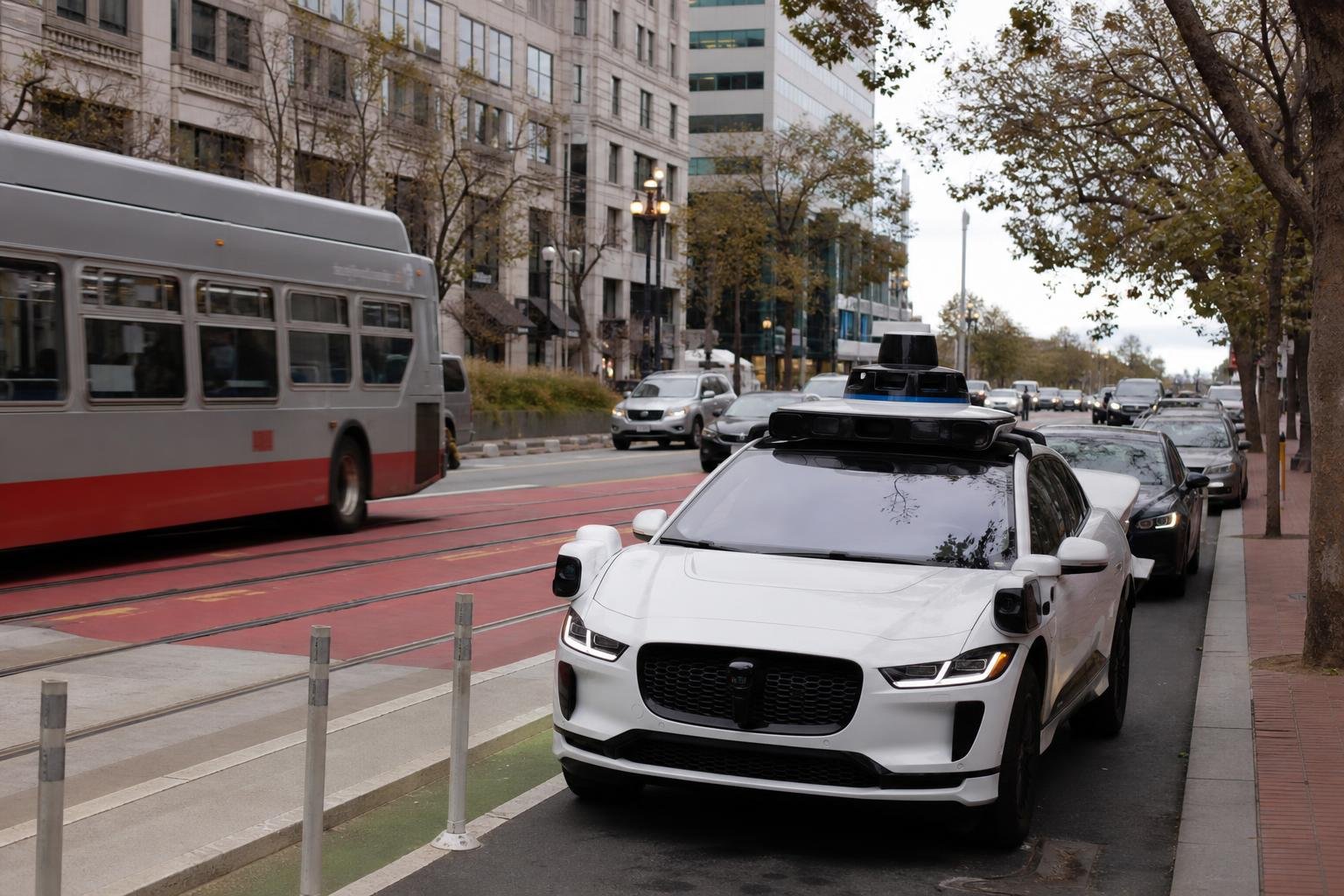
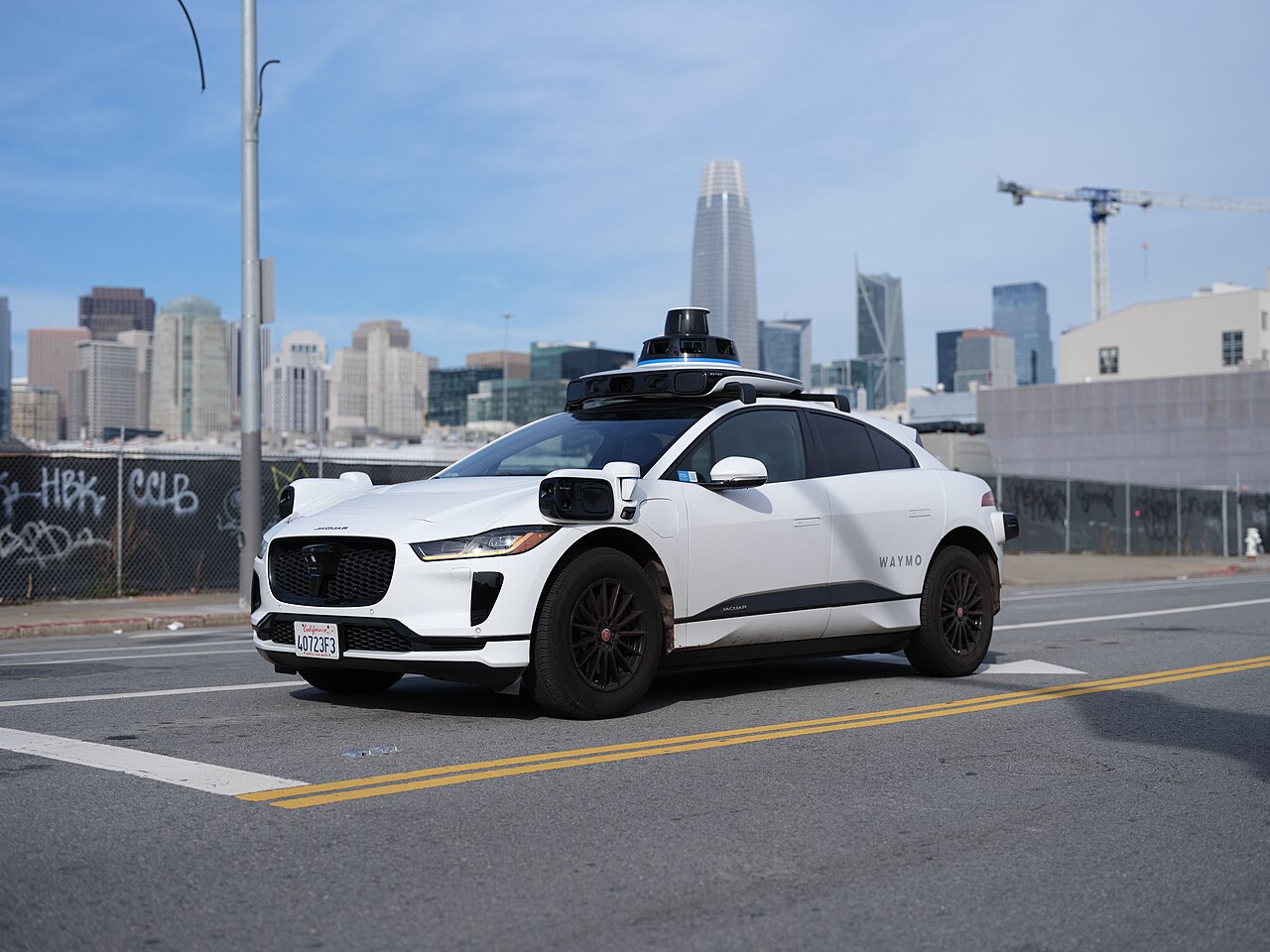
Waymo has received California regulatory approval to expand its paid autonomous-ride service into Sacramento and San Diego, while extending its permitted operating territory across the Bay Area and Southern California. The company said service will be introduced gradually under its safety framework rather than switched on across the newly approved map at once. [1]
The decision matters less as a cartographic change than as a sign of how robotaxi operations are evolving. Approval to operate across disparate California markets suggests Waymo is building toward a regional transportation service with multiple road environments, trip patterns and local operating constraints—not simply extending a tightly bounded urban pilot. At the same time, the company’s phased rollout underscores a central reality of autonomous driving: regulatory authorization and practical, reliable service coverage are different milestones.
By the numbers
- 18 counties: the scope of the California expansion described in Waymo’s approval coverage. [1]
- 2 newly named markets: Sacramento and San Diego.
- 2 established regional operating areas broadened: the Bay Area and Southern California.
From city deployment to regional operations
Robotaxi services tend to be discussed in terms of individual launch cities: a geofenced district, a small service zone, or a list of neighborhoods where rides can be ordered. The latest California approval points toward a more consequential next stage. A company can gain permission over a broad multi-county territory, then add service selectively as it validates specific roads, traffic conditions, rider demand and operational processes.
That distinction is important. A large authorized area does not mean every road is immediately open to paid driverless trips, nor does it guarantee a uniform rider experience across every community. Waymo said its expansion will be gradual and governed by its safety framework. That language indicates that local deployment remains an operational decision based on readiness, not merely an automatic result of the California Public Utilities Commission’s approval. [1]
Sacramento and San Diego add two notably different environments to that operational test. Sacramento combines a state-capital downtown, broad arterial roads, residential districts and seasonal heat. San Diego brings a large, spread-out metro area, tourism-related trip demand, complex freeway connections and terrain that differs substantially from San Francisco’s dense street grid. Expanding across such settings requires more than the ability to navigate a familiar core city; it requires a repeatable method for evaluating and operating in different local conditions.
What operational maturity looks like
Paid driverless rides are a stringent test because the service must work as a transportation product, not a demonstration. Vehicles need to identify safe pickup and drop-off points, respond to road closures and unusual traffic control, handle rider assistance needs, communicate with remote support systems, and recover when a trip cannot proceed normally. The vehicle’s automated-driving system is only one part of that stack.
Regional growth also raises the importance of fleet operations. A provider must decide where vehicles are staged, charged, cleaned and maintained; how it balances supply between neighborhoods; and how it handles the long-distance repositioning that can become costly in sprawling metro areas. Those challenges affect wait times, ride availability and economics even when the autonomous-driving technology performs as intended.
Waymo’s deliberate posture is therefore meaningful. It suggests the company is treating safety validation, fleet capacity and service quality as linked constraints. That is a more mature operating model than defining success solely by the size of an approved territory. The practical measure will be whether Waymo can steadily turn authorized geography into dependable access for ordinary riders without creating recurring disruptions for other road users.
Support from accessibility and community groups
Waymo’s CPUC filing drew support from a broad collection of organizations, including business groups, disability advocates, senior-service organizations, bicycle groups, blind-access organizations and local community organizations. The supporters listed included the National Federation of the Blind of California, Braille Institute chapters, Mothers Against Drunk Driving, chambers of commerce, and organizations serving older adults and people with disabilities. [2]
That coalition highlights an often-overlooked part of the robotaxi argument: service accessibility. For people who cannot drive, cannot reliably use conventional transit, or face barriers with ride-hailing, an autonomous service could create another on-demand transportation option. The potential benefit, however, depends on execution. Vehicles must provide understandable rider communications, accessible pickup behavior, support for riders with visual or mobility disabilities, and a workable process when a passenger needs help.
Community support is not a substitute for performance evidence, but it does show that the debate is broader than an abstract contest between automation advocates and critics. The public value of a driverless service will be judged by whether it makes trips more available and dependable for people with real transportation constraints.
Safety scrutiny remains part of the expansion
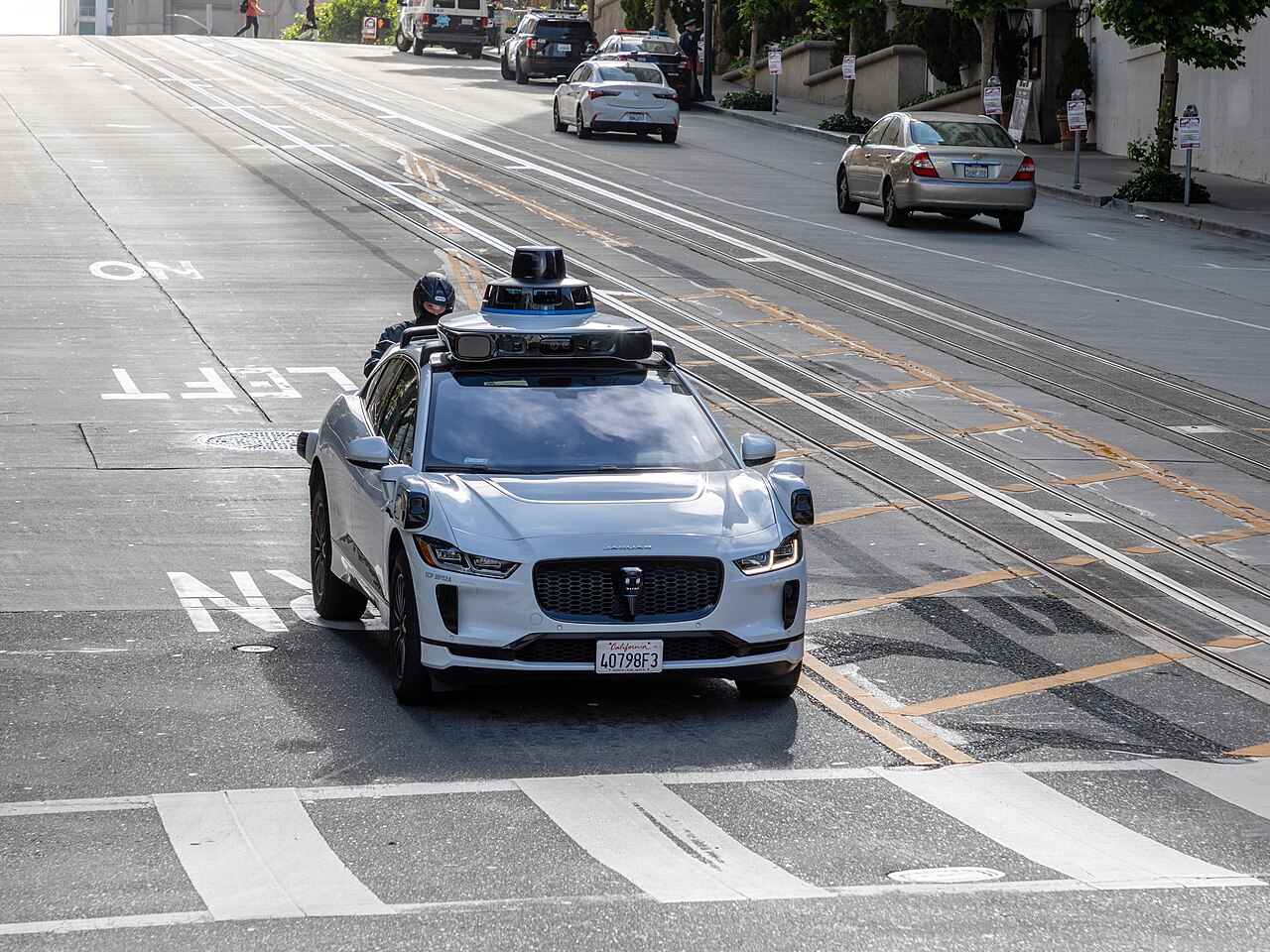
California’s robotaxi debate has already exposed the operational issues that can arise when autonomous vehicles share busy public streets. Critics and public agencies have raised concerns about vehicles blocking buses and light-rail tracks, interfering with emergency response, and whether incident reporting is adequate. [3]
Those concerns become more important as service territory broadens. A vehicle that stops unexpectedly can be an inconvenience on a low-traffic street but a serious disruption near a transit corridor, emergency scene or narrow pickup zone. The issue is not only whether the vehicle avoids collisions. It is whether the entire service behaves predictably in a transportation network used by buses, cyclists, pedestrians, first responders and commercial vehicles.
For regulators, local governments and the public, the useful evidence will be concrete: the frequency and handling of unusual stops, interactions with emergency personnel, response times for remote assistance, complaint trends, and clarity around safety incidents. Larger service maps create more opportunity to gather that evidence, but also increase the need for transparent reporting and responsive operations.
Competitive and policy implications
Waymo’s approval strengthens the case that California can become a proving ground for regional autonomous mobility, not just a venue for limited pilots. If the company translates the authorization into reliable service, the model could pressure competitors to show comparable operational depth: not just a vehicle capable of autonomous driving, but a dispatch, support, maintenance and safety organization able to operate across varied metropolitan conditions.
It could also reshape the policy conversation. The next questions are likely to focus less on whether paid driverless rides should exist at all and more on how coverage grows, how local agencies coordinate with operators, what operational data should be disclosed, and how robotaxis interact with transit systems. A broad permit does not settle those questions. It makes them more immediate.
For riders, the near-term result is more modest than the approval’s geographic scale may imply. Sacramento and San Diego residents should expect a measured rollout rather than instant metropolitan-wide availability. But the direction is clear: California robotaxis are beginning to move from contained launch zones toward the infrastructure and operational discipline required for a regional service.
Editor’s Take
I see the gradual rollout as the most credible part of this news. A robotaxi company should not treat an 18-county authorization as an invitation to chase a coverage-map headline. It should use it to prove that safe pickup behavior, remote support, transit coordination and fleet reliability can be repeated across very different markets. Sacramento and San Diego are valuable tests precisely because they are not copies of San Francisco.
The practical benchmark now is service quality, not permitted acreage. I will be watching for evidence that Waymo can add useful coverage while reducing the kinds of roadway blockages and emergency-response conflicts that have drawn criticism in California. If it can do that, paid autonomous rides start to look less like a novelty service and more like a durable transportation layer. If expansion runs ahead of those operational details, the map will be more impressive than the product.
References
- Electrek – https://electrek.co/2026/08/14/waymo-cpuc-approval-california-expansion-18-counties/
- California Public Utilities Commission – https://webproda.cpuc.ca.gov/-/media/cpuc-website/divisions/consumer-protection-and-enforcement-d
- CalMatters – https://calmatters.org/newsletters/whatmatters/2023/08/driverless-cars-san-francisco/?utm_source=openai




,_California_Street,_autonomes_Fahrzeug_(Waymo)_--_2022_--_2925.jpg)